
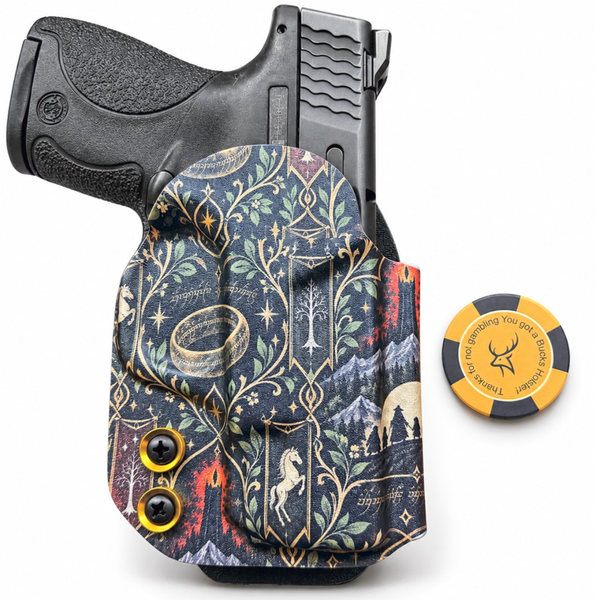
Why Proper Holster Fit Matters for Everyday Carry
Sep 23rd 2026
Carry Comfortably
Choosing the right holster is an important part of building an everyday carry setup. A holster does more than simply hold a firearm. Proper holster fit helps keep the firearm positioned consistently, provides appropriate retention, covers the trigger area, and can contribute to a more comfortable carry experience.
That is why proper holster fit matters for everyday carry.
Whether you're looking for a Kydex® holster, an inside-the-waistband (IWB) holster, or a holster designed to accommodate a weapon light, selecting the right fit is an important consideration.
Our team at Bucks Holsters is going to break it down.
What Does Proper Holster Fit Mean?
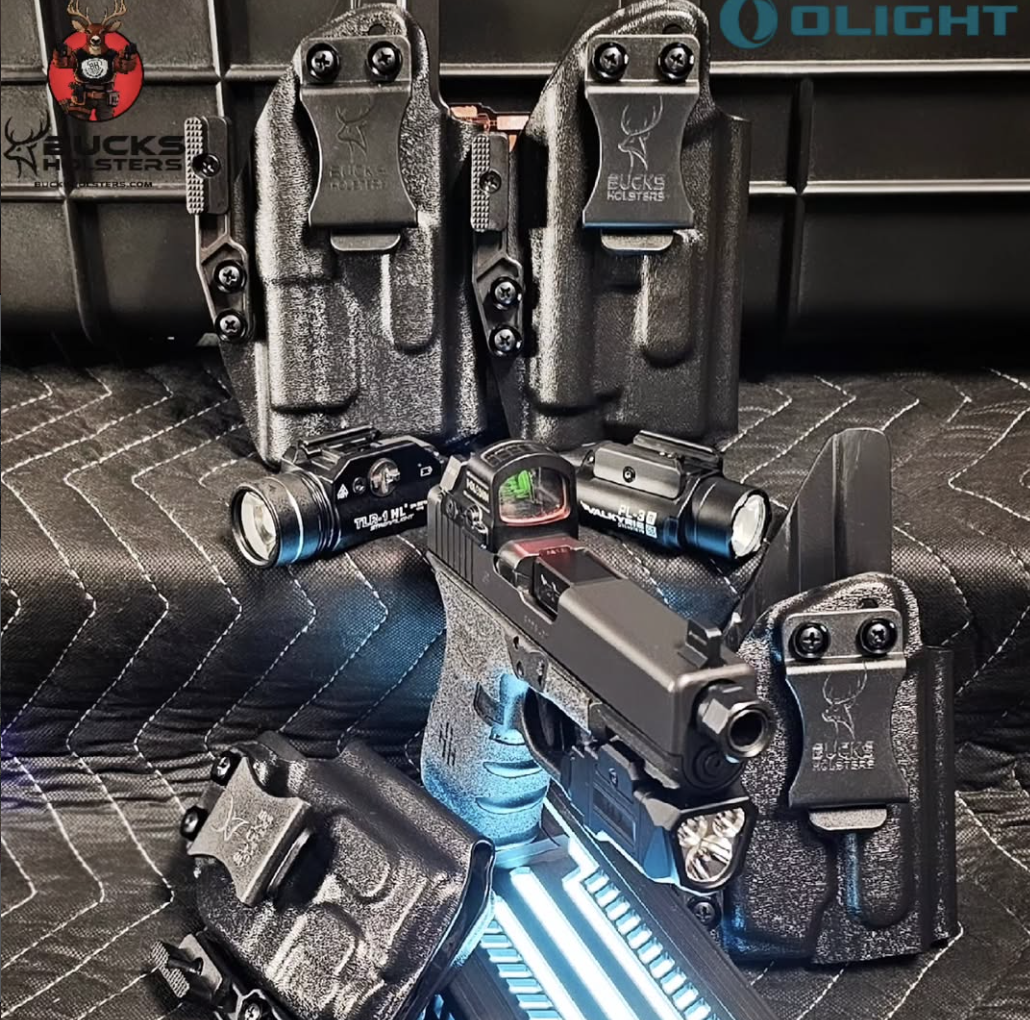
A properly fitted holster is designed to correspond with the specific firearm and configuration it is intended to accommodate.
Important compatibility factors can include:
- Firearm make and model
- Firearm dimensions
- Optic configuration
- Weapon light
- Holster material
- Retention system
- Carry position
- Mounting system
A firearm-specific holster is designed around the dimensions and features of a particular firearm rather than relying on a one-size-fits-all approach.
For everyday carry, consistency is important because the holster becomes part of the equipment used whenever the firearm is carried.
Why Kydex® Is Popular for Everyday Carry
Kydex® is a thermoplastic material commonly used in firearm holster construction. Its rigid structure allows holsters to be molded around specific firearm shapes and configurations.
A properly molded Kydex® holster can provide a secure fit while maintaining a relatively slim and lightweight profile.
Kydex® holsters are also known for characteristics such as:
- Rigid construction
- Consistent shape
- Moisture resistance
- Adjustable retention on many designs
- Lightweight construction
For these reasons, Kydex® has become a popular choice for both concealed carry and other firearm-carry applications.
Looking for a Kydex® holster for your everyday carry setup? Explore Bucks Holsters for options designed around specific firearm configurations.
Proper Retention Helps Keep the Firearm Secure
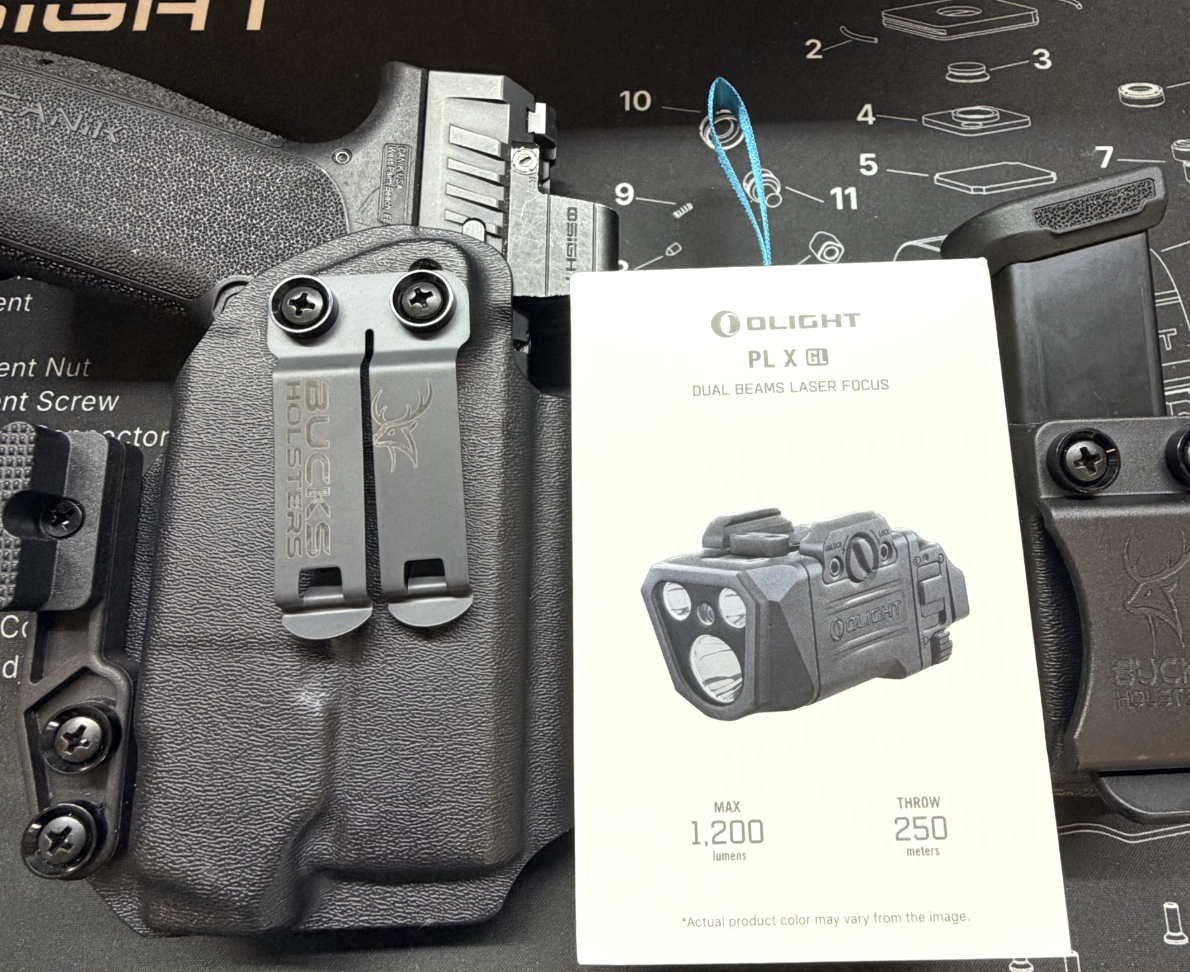
Retention is an important part of holster design.
A properly fitted holster should retain the firearm of choice securely while allowing it to be drawn as intended. Many Kydex® holsters use passive retention, where the molded material creates friction around specific portions of the firearm.
Depending on the design, retention can often be adjusted to change how tightly the firearm is held.
A holster with insufficient retention may allow excessive movement, while excessive retention can make the firearm unnecessarily difficult to draw. The appropriate retention setup depends on the specific holster and intended application.
When selecting an everyday carry holster, look for a design that provides a secure and consistent fit for your specific firearm.
Trigger Coverage Is an Important Consideration
Another critical aspect of holster design is trigger coverage.
A properly designed firearm holster should cover the trigger area while the firearm is holstered. This helps prevent unintended contact with the trigger from outside the holster.
This is another reason firearm-specific fit matters.
Rather than choosing a generic pouch or universal-style holster, verify that the holster is specifically designed for your firearm and configuration.
Bucks Holsters builds firearm-specific Kydex® holster options designed with proper fit and retention in mind. Find the right configuration for your firearm at Bucks Holsters.
Why Firearm-Specific Fit Matters
Firearms can have different dimensions, controls, slide profiles, frames, sights, and accessory configurations.
Even firearms that look similar may require different holster designs.
Accessories can make compatibility even more important. Adding a weapon light, for example, changes the external dimensions of a handgun and can require a holster specifically designed to accommodate that light.
The same principle applies to other accessories and firearm configurations.
Before purchasing a holster, verify that it is compatible with your exact firearm and accessories.
Weapon Light Compatibility
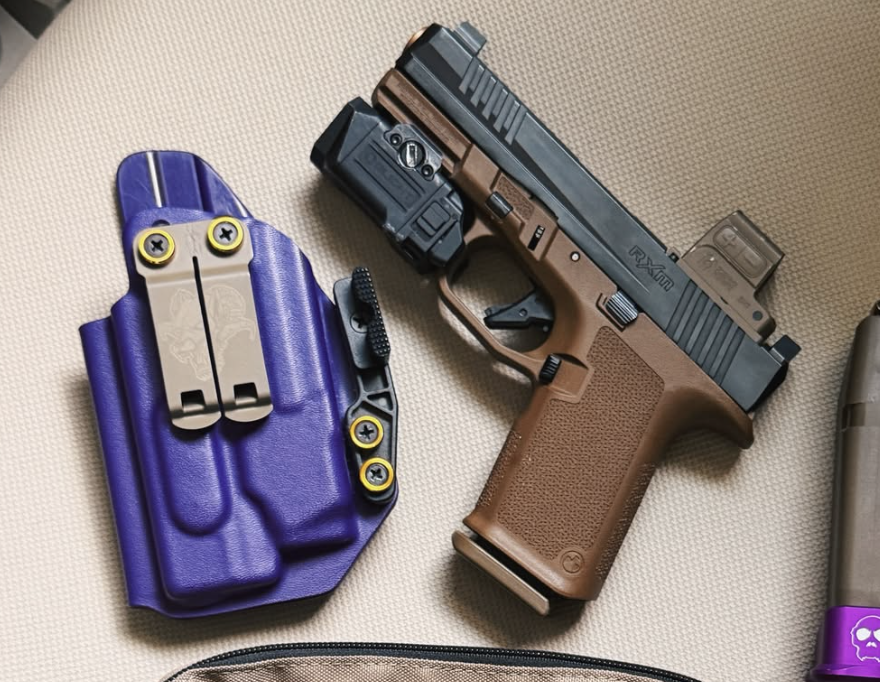
Weapon lights are one of the most common reasons a standard holster may not be compatible with a particular firearm setup.
A weapon light changes the dimensions of the firearm, meaning a holster designed for the handgun without a light may not provide the intended fit when a light is installed.
A weapon light holster is designed around a specific firearm and compatible light configuration.
If you carry a handgun equipped with a weapon light, make sure the holster is specifically designed for that combination.
Need a Kydex® holster for a weapon-light-equipped firearm? Check out Bucks Holsters for compatible holster configurations.
Comfort Matters for Everyday Carry
An everyday carry holster needs to be practical enough for regular use.
Even a properly molded holster may not feel comfortable if the overall setup doesn't work with your preferred carry position, clothing, belt, or firearm.
Factors that can affect comfort include:
- Holster thickness
- Overall holster size
- Ride height
- Cant
- Carry position
- Mounting hardware
- Firearm size
- Clothing
The rigid construction of Kydex® allows manufacturers to create holsters with precise shapes and relatively slim profiles.
Finding the right combination of holster design, mounting position, firearm, and accessories can make a significant difference in the overall carry experience.
Holster Cant and Ride Height
Two terms worth understanding when selecting a holster are cant and ride height.
Cant refers to the angle at which the firearm sits in the holster. Ride height describes how high or low the holster positions the firearm relative to its mounting point.
Both can influence how the holster sits against the body and how the firearm is positioned.
Depending on the specific holster design, these characteristics may be adjustable, allowing the user to customize the setup according to their preferences.
A Proper Fit Creates a Consistent Carry Setup
Consistency is an important consideration for everyday carry.
If a firearm moves excessively inside a holster, or if the holster itself shifts significantly during normal movement, the overall setup may be less practical.
A properly fitted holster is designed to hold the firearm consistently in its intended position.
That consistency also makes it easier to evaluate adjustments to retention, ride height, cant, or mounting position.
How to Choose the Right Everyday Carry Holster
Before purchasing an everyday carry holster, consider the following:
1. Identify Your Exact Firearm
Start with the manufacturer's make and the exact model of your firearm.
Don't assume that a holster designed for a similar model will provide the same fit.
2. Account for Accessories
Consider whether your firearm is equipped with:
- A weapon light
- Red-dot optic
- Different sights
- Suppressors
- Other modifications
These features can affect holster compatibility.
3. Consider Your Carry Position
Determine whether an IWB or OWB configuration fits your intended application whether that be for every day carry, range use, or competition setup, and personal preferences.
4. Evaluate Retention
Understand how the holster retains the firearm and whether the retention system can be adjusted.
5. Consider Comfort
Look at holster thickness, mounting hardware, ride height, cant, and overall profile.
6. Verify Compatibility
Always confirm that the holster is designed for your exact firearm and accessory configuration before purchasing.
Why Proper Holster Fit Matters
A holster is an important component of an everyday carry system. Proper fit can contribute to secure retention, consistent positioning, trigger coverage, and overall comfort.
Choosing a holster based solely on appearance or price can overlook important compatibility considerations.
Instead, consider the complete setup: firearm, accessories, holster, retention, mounting system, and intended carry position.
Find Your Fit With Bucks Holsters
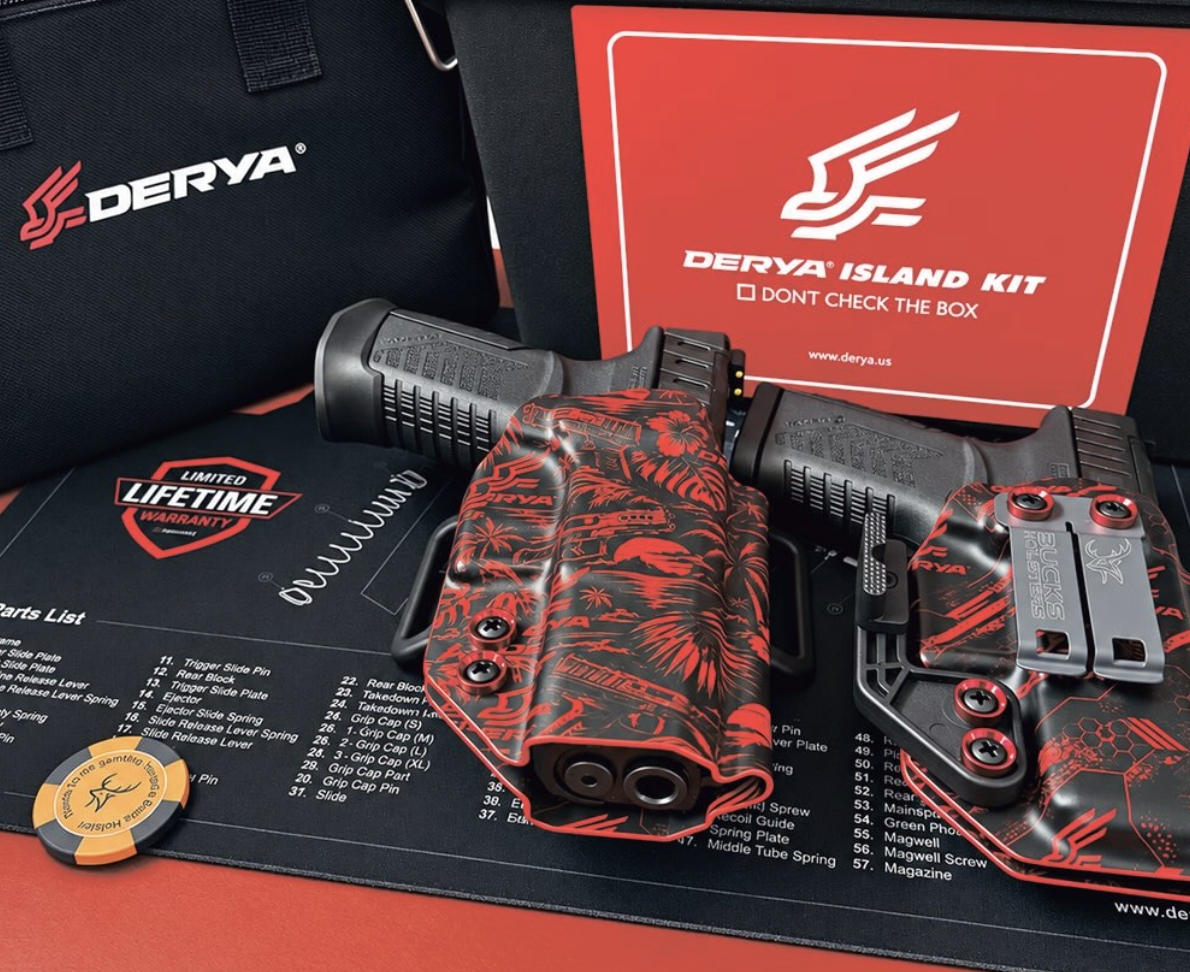
The right everyday carry setup starts with the right holster.
Bucks Holsters offers firearm-specific Kydex® holster options designed around different firearm configurations, including options for everyday carry and weapon-light setups.
If you're looking for a Kydex® holster designed for a secure, firearm-specific fit, explore Bucks Holsters and find an option that matches your setup.
Choose the right fit for your firearm. Choose Bucks Holsters.