
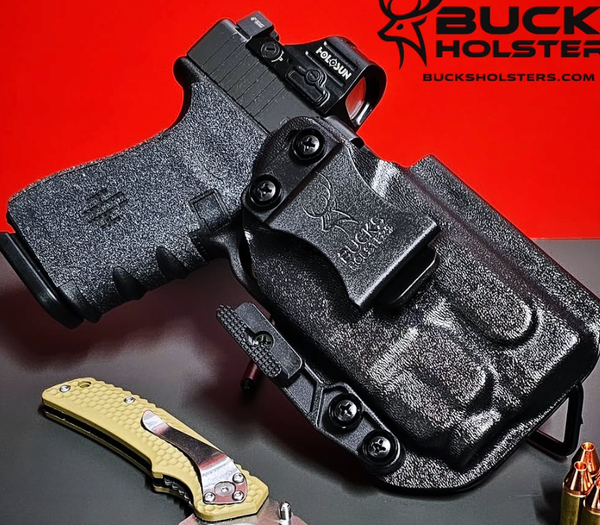
How to Choose a Holster for a Handgun With a Weapon Light
Sep 9th 2026
Accommodate Your Setup
Adding a weapon light to your handgun can be a practical upgrade for low-light identification and target visibility. However, installing a weapon light also changes an important part of your setup: your holster.
Not every handgun holster is designed to accommodate a weapon-mounted light. Using a holster that isn't specifically compatible with your firearm and light combination can result in poor fit, inadequate retention, or an uncomfortable carry setup.
Whether you carry concealed, use your handgun at the range, or keep a handgun equipped with a weapon light for home-defense purposes, choosing the right holster is essential.
At Bucks Holsters, we're taking a closer look at what to consider when choosing a holster for a handgun with a weapon light.
Why You Need a Light-Compatible Holster
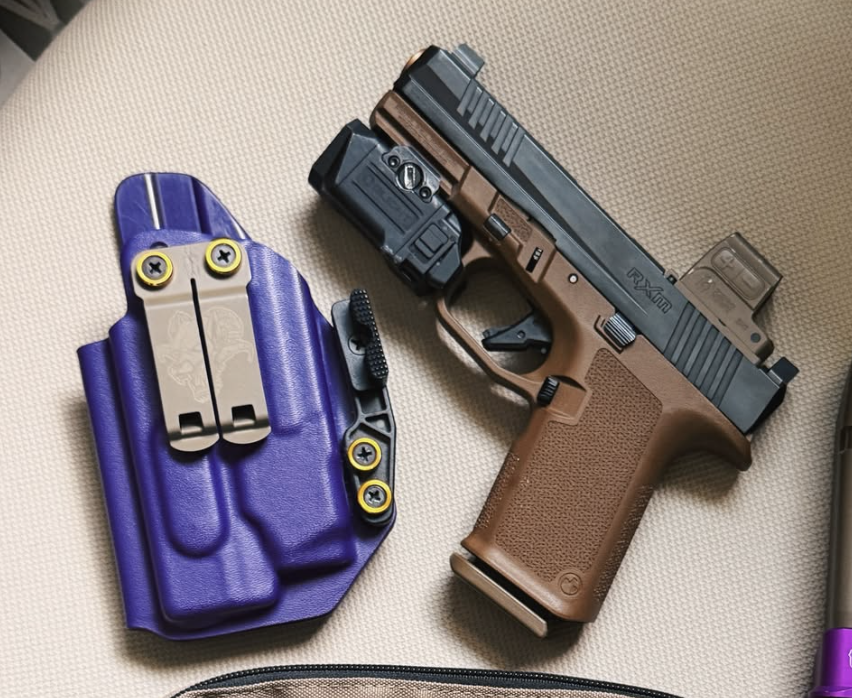
A weapon light adds width and changes the overall profile of your handgun. Because KYDEX® holsters are molded to closely fit specific firearm configurations, a standard holster designed for a handgun without a light may not provide the proper fit once a weapon light is installed.
A dedicated weapon light-compatible holster is designed around the specific combination of firearm and light.
This is important because proper holster fit helps provide:
- Secure firearm retention
- Consistent positioning
- Protection around the trigger guard
- Reliable holstering
- A more predictable draw
- Better compatibility with your carry setup
If you've added a weapon light to your handgun, don't assume your existing holster will work with it. Check compatibility before using the setup.
Start With Your Exact Handgun and Weapon Light
One of the biggest mistakes people make when shopping for a light-bearing holster is focusing only on the handgun.
You need to know both the exact firearm model and the exact weapon light model.
Two weapon lights can look similar while having different dimensions or mounting systems. Likewise, different versions of the same handgun may have differences that affect holster compatibility.
Before purchasing a holster, identify:
- Handgun manufacturer
- Handgun model
- Handgun generation or variant when applicable
- Weapon light manufacturer
- Exact weapon light model
- Optic configuration, if applicable
- Other accessories that may affect fit
The more specific you are when selecting a holster, the better chance you have of getting a proper fit.
Look for a Holster Specifically Designed for Your Weapon Light
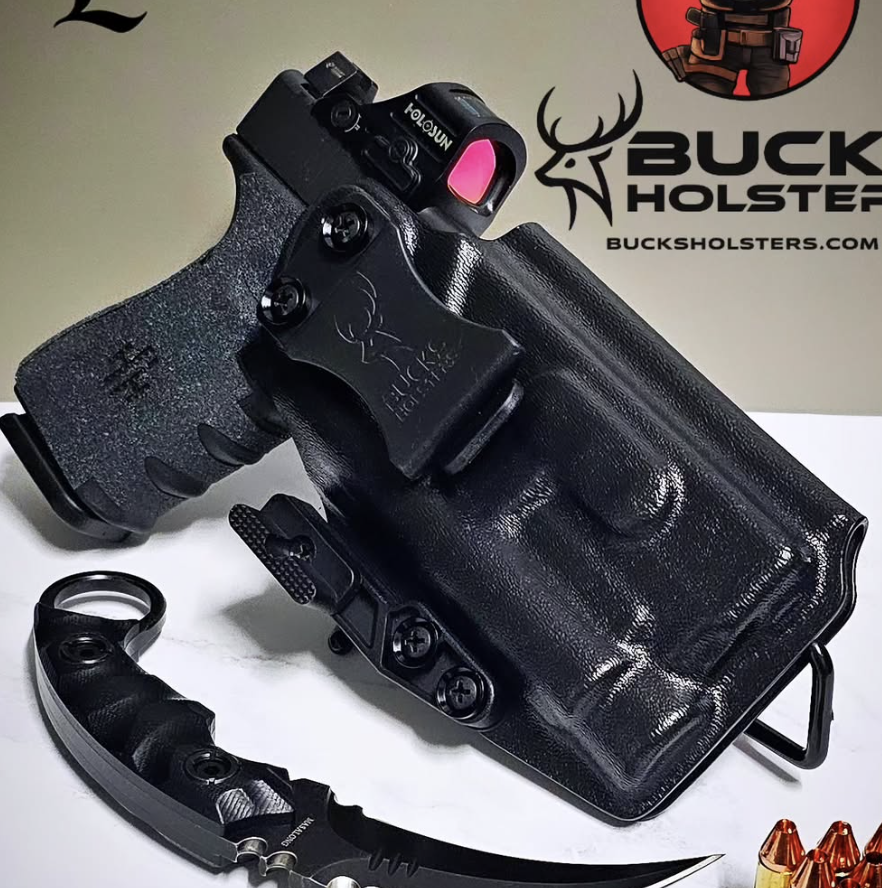
A light-bearing holster should be designed to accommodate the specific weapon light you're using. This is especially important with KYDEX® holsters because the material is molded to create a precise fit around the firearm and its configuration.
Rather than looking for a "universal" handgun holster that might accommodate several lights, look for a holster specifically listed as compatible with your firearm and weapon light.
At Bucks Holsters, you can explore holster options designed around specific firearm configurations to help you find the right fit for your setup.
Ready to upgrade your setup? Shop Bucks Holsters and find a holster designed to work with your handgun and weapon light.
Pay Attention to Trigger Guard Coverage
One of the most important features of any handgun holster is appropriate trigger guard coverage.
When choosing a weapon light holster, make sure the holster properly covers and protects the trigger area when the firearm is fully seated.
The weapon light should not be treated as a substitute for proper trigger guard coverage. A well-designed holster should provide a secure fit around the firearm while keeping the trigger protected from unintended contact.
Always verify that the firearm is properly seated in the holster before carrying or handling the setup.
Check Holster Retention
Retention is another major consideration when choosing a light-bearing KYDEX® holster. Many KYDEX® holsters use adjustable passive retention, allowing the user to fine-tune how tightly the holster holds the firearm.
The ideal setting should keep the firearm securely seated while allowing a consistent, controlled draw whether you are in shorts or pants with a belt.
If you change your handgun configuration by adding or changing a weapon light, recheck the retention and fit of your holster. A configuration change can affect how the firearm interacts with the holster.
Looking for a KYDEX® holster with adjustable retention? Check out Bucks Holsters for options designed for your specific setup.
Consider Your Carry Position
Your preferred carry position also plays a role in selecting the right weapon light holster.
For concealed carry, many people consider IWB (inside-the-waistband) holsters because they keep the firearm close to the body. However, the added size of a weapon light can affect comfort and concealment.
OWB (outside-the-waistband) holsters offer another option and may be particularly useful for range use, training, or situations where concealment isn't the primary concern.
When choosing between IWB and OWB, consider:
- How you plan to use the handgun
- Your preferred carry position
- Comfort
- Concealment requirements
- Clothing
- Belt and mounting setup
- The size of your firearm and weapon light
There isn't one holster style that works for everyone. The right choice depends on your firearm, accessories, and intended use.
Don't Forget About Optics Compatibility
If your handgun is equipped with a red dot sight, make sure your holster is compatible with the optic as well.
Many modern handgun owners run both a weapon light and a red dot optic. That means your holster needs to accommodate the entire configuration rather than just the firearm itself.
Before purchasing, verify compatibility with your:
Handgun + Weapon Light + Optic
Thinking about all three components before buying can save you from purchasing a holster that doesn't work with your setup.
Consider Your Belt and Holster Mounting System
A quality holster is only one part of your carry setup. If you're carrying a handgun with a weapon light, pay attention to the belt and mounting hardware you're using as well. The additional size and weight of a light-bearing handgun can make a secure mounting system particularly important.
Your holster should remain stable during normal movement and should be positioned consistently.
For concealed carry, consider how the holster sits against your body. For OWB setups, consider how the holster attaches to your belt and whether the mounting position works with your intended use.
KYDEX® Is a Popular Choice for Light-Bearing Holsters
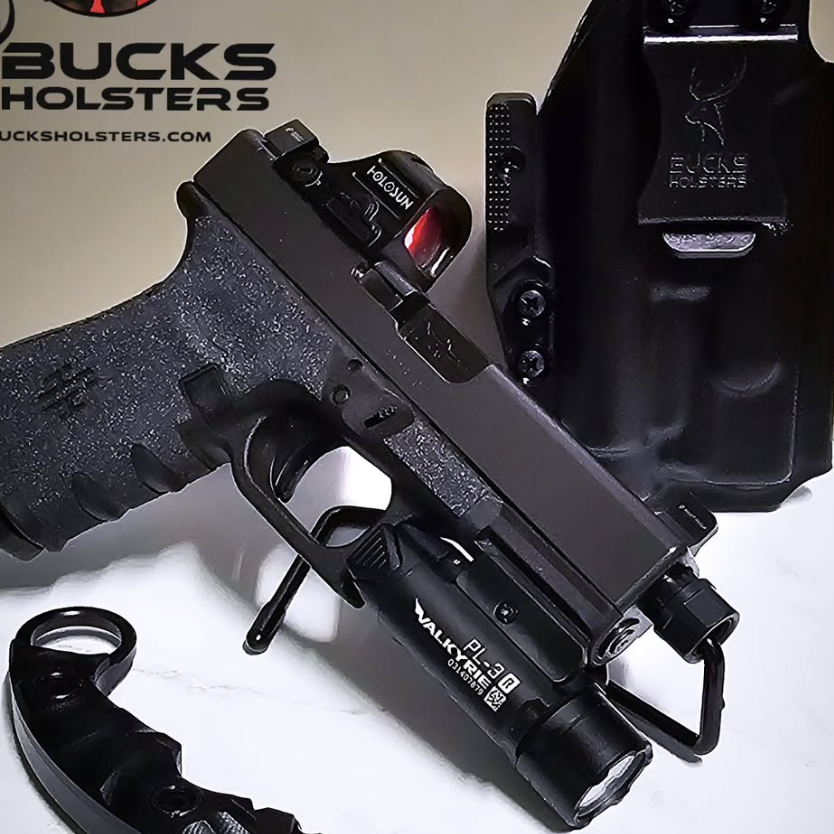
KYDEX® is widely used for handgun holsters because it can be molded into a precise shape and provides a durable, rigid platform.
For weapon light setups, that precise molding can help create a holster specifically designed around the firearm and light combination.
Additional advantages of KYDEX® include:
- Durable construction
- Resistance to moisture
- Easy maintenance
- Consistent shape
- Adjustable retention on many designs
- Customizable configurations
For anyone building a dedicated handgun setup around a weapon light, a properly fitted KYDEX® holster is worth considering.
Avoid One-Size-Fits-All Holsters
When it comes to a handgun equipped with a weapon light, compatibility matters.
A generic holster may seem convenient, but it may not provide the precise fit you're looking for. Your handgun, weapon light, optic, and other accessories can all affect the final configuration.
Instead, look for a holster manufacturer that provides specific compatibility information.
Don't settle for a generic fit. Find a Bucks Holsters option designed around your specific handgun and weapon light.
How to Choose the Right Weapon Light Holster
Before purchasing a holster, run through this checklist:
1. Identify Your Handgun
Know the exact make and model of your firearm.
2. Identify Your Weapon Light
Check the exact manufacturer and model rather than relying on appearance alone.
3. Check Compatibility
Make sure the holster is specifically designed to work with your firearm and light combination.
4. Consider Your Carry Position
Decide whether IWB, OWB, or another mounting configuration best suits your needs.
5. Check Retention
Look for secure retention and, when available, adjustable retention.
6. Verify Trigger Guard Coverage
Make sure the holster provides appropriate coverage around the trigger area.
7. Consider Other Accessories
If you're running an optic or other accessories, verify that the holster accommodates the complete setup.
8. Choose Quality Construction
Look for durable materials and reliable hardware designed for regular use.
Find Your Weapon Light-Compatible Holster at Bucks Holsters
Adding a weapon light can change the dimensions and configuration of your handgun, which means choosing the right holster is just as important as choosing the right light.
The best holster for a handgun with a weapon light should be designed specifically around your firearm and light combination while providing appropriate retention, trigger guard coverage, durability, and a carry configuration that works for you.
If you're looking for a purpose-built KYDEX® holster for your light-bearing handgun, Bucks Holsters has you covered.
Shop Bucks Holsters today and find a holster built for your handgun setup. Whether you're looking for an IWB holster for concealed carry or an OWB holster for range use, start with compatibility. Your handgun and weapon light deserve a holster designed to fit them properly.