
Choosing the Right Gun to Conceal Carry
Apr 28th 2026
A Beginner’s Guide to Picking Your EDC
Selecting your first everyday carry (EDC) firearm is a decision that carries real weight, literally and figuratively. This isn’t just about buying a gun based on price or what’s popular; it’s about choosing a tool you may one day rely on to protect your life and the lives of the people around you. With so many options on the market, beginners can easily get overwhelmed. The truth is, the “best” concealed carry gun is the one that fits you—your body, your lifestyle, and your ability to use it effectively.
This guide from our team at Bucks Holsters breaks down the most important factors to consider so you can make a smart, confident decision in choosing a concealed carry weapon.
Reliability: Why It’s Worth Spending More
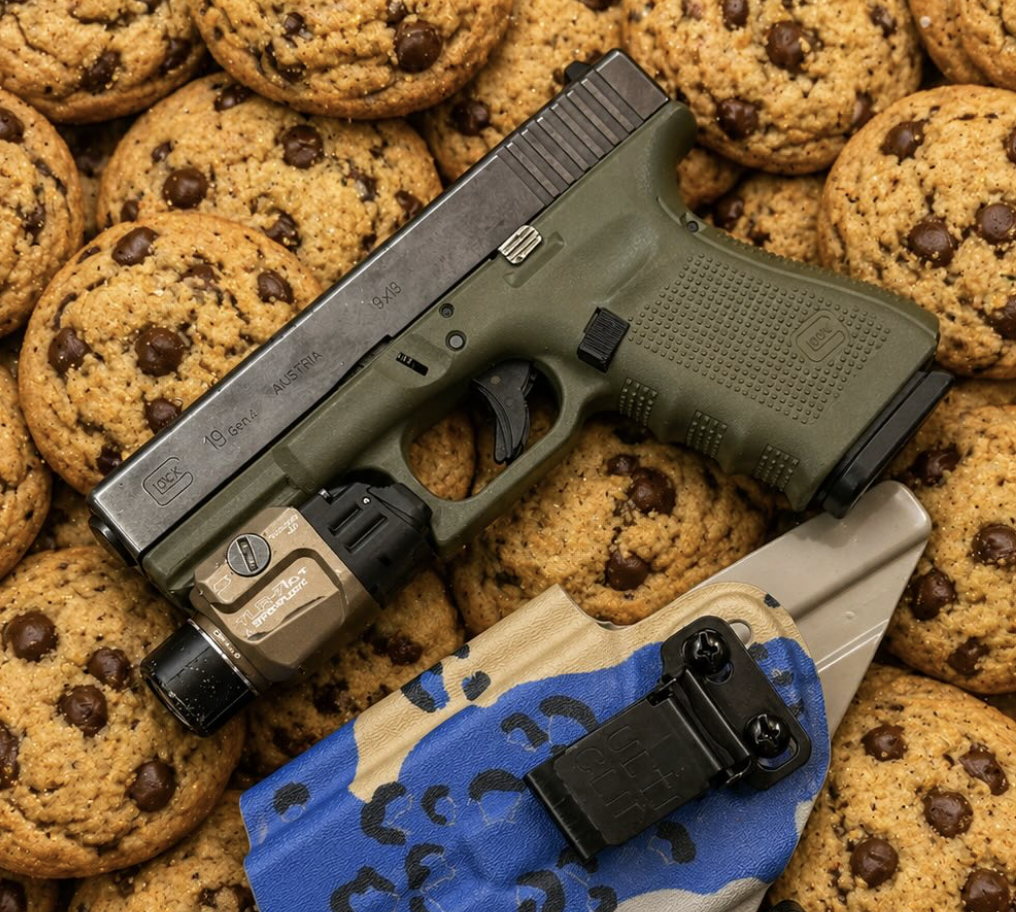
When it comes to concealed carry, reliability is non-negotiable. This is not the place to cut corners or chase the cheapest option. A firearm that fails to feed, fire, or eject properly when you need it most is worse than useless, it’s dangerous.
Spending a bit more on a proven, reputable firearm can literally save your life. Well-established manufacturers have built their reputations on consistent performance, durability, and quality control. That extra investment buys you peace of mind knowing your firearm will function when it matters. You want to draw your firearm, line up the sights, and be able to take a shot knowing that it is going to hit.
Cheap guns may seem appealing upfront (and to your wallet), but malfunctions, poor ergonomics, and inconsistent performance can cost you far more in the long run, especially in a life-or-death situation.
Ammo Capacity: Balancing Size and Firepower
One of the biggest trade-offs in concealed carry is size versus capacity. Smaller firearms are easier to conceal with things like inside the waistband (IWB) holsters, but they typically come with reduced magazine capacity.
- Compact or subcompact pistols: easier to hide, fewer rounds
- Full-size pistols: harder to conceal, higher capacity
If you choose a smaller firearm, and smaller caliber, you should strongly consider carrying a spare magazine. A magazine carrier is a simple addition that significantly increases your available rounds and gives you a backup in case of a malfunction.
Remember: defensive encounters are unpredictable. Having more rounds available can make a critical difference.
Body Type: Fit Matters More Than You Think
Not every gun works for every person. Your height, weight, and overall build play a major role in what you can realistically conceal.
For example, if you’re 5'2" and 120 lbs, trying to conceal a large, heavy firearm like a full-size steel-frame pistol is going to be uncomfortable and impractical. It may print through clothing, dig into your body, and ultimately discourage you from carrying at all.
On the other hand, someone with a larger frame may have no issue concealing a bigger firearm comfortably.
The goal is simple: pick a firearm that you can conceal consistently without drawing attention. If it’s too big or too uncomfortable, you’ll leave it at home. The objective of concealed carry is to always have your firearm on you, so choose something that allows you to do so.
Comfort: Be Realistic About Expectations
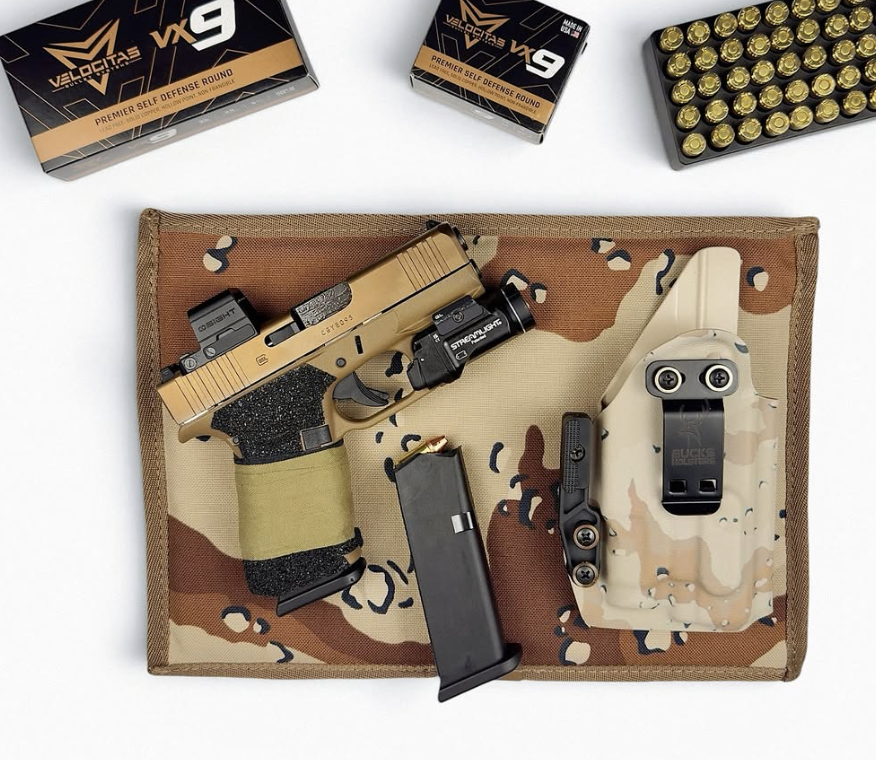
Let’s be honest, carrying a firearm isn’t supposed to feel like wearing sweatpants. It’s a tool, not a pillow. You are going to feel it.
That said, there’s a difference between “noticeable” and “unbearable.” The right firearm, paired with a quality holster, should be comfortable enough that you can carry it all day without constantly adjusting or feeling distracted.
If your setup is painful, constantly shifting, or digging into your side, something is wrong—either with the gun choice, holster, or positioning. Comfort matters because consistency matters. The more comfortable your setup, the more likely you are to carry every day.
It's important to have a high quality Bucks Holster made specifically from quality materials for your gun and hand made for comfort". Also, positioning is very important for concealed carry. There should be a little more focus on that. Carrying on the hip IWB is often very uncomfortable, the 1-2 o'clock or 4-5 o'clock for right handed shooters, and 10-11 o'clock or 8-9 o'clock for left handed shooters is typically where you can find you "sweet spot”.
Grip Size: Control Is Everything
Grip size is one of the most overlooked factors for beginners, but it directly affects your ability to control the firearm.
Ask yourself:
- Can you get a full, secure grip on the gun?
- Does it feel stable in your hands during recoil?
- Are you adjusting your grip every few rounds?
If you have to readjust your grip after every second or third shot, that’s a problem. Poor grip leads to slower follow-up shots, reduced accuracy, and increased risk in a defensive situation.
A slightly larger grip that you can control confidently is often better than a tiny gun that’s difficult to manage. This is especially important under stress, where fine motor skills deteriorate quickly.
The Importance of Carrying: Protection Isn’t Scheduled
One of the biggest mindset shifts for new concealed carriers is understanding why you carry in the first place. Danger doesn’t send a warning. It doesn’t wait until it’s convenient. It doesn’t happen only when you’re prepared.
Carrying a firearm is about taking responsibility for your own safety and the safety of the people you care about. It’s about being prepared for the worst-case scenario—even if you hope it never happens.
If you choose to carry, commit to it. Make it part of your daily routine, just like your phone, wallet, or keys. Because when something goes wrong, you won’t have time to go back and get your firearm.
Practice: The Most Important Factor of All
Buying a gun is the easy part. Learning to use it effectively is where the real work begins.
Before you commit to a firearm, rent it at a range if possible. This allows you to:
- Test how it feels in your hands
- Evaluate recoil and control
- See how accurately you can shoot it
- Determine if it fits your needs
Once you’ve made your choice, consistent training is critical. Shooting is a perishable skill—if you don’t practice, you lose proficiency.
Spend time at the range working on:
- Grip and stance
- Trigger control
- Drawing from concealment (where allowed)
- Reloading and malfunction drills
The goal is to build muscle memory so your body reacts automatically under stress. In a defensive situation, you won’t rise to the occasion—you’ll fall back on your training. Taking at least a few instructional classes can often get rid of bad habits and promote safe and accurate shooting at a relatively small cost. It's worth it to work with an expert to give better control when you find yourself in a situation that is out of control.
Final Thoughts
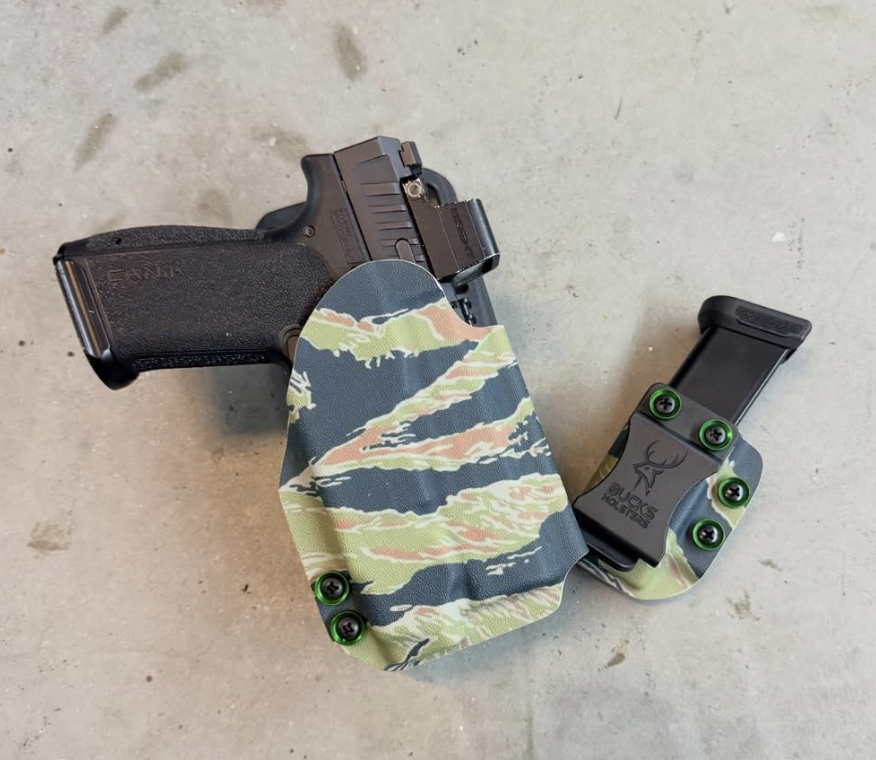
Choosing the right concealed carry firearm isn’t about trends, brand names, or what someone else carries. It’s about finding a reliable, controllable, and concealable tool that fits your body and your lifestyle.
Focus on the fundamentals:
- Reliability over price
- Capacity balanced with concealability
- Fit based on your body type
- Realistic expectations for comfort
- Proper grip and control
- Commitment to carrying daily
- Ongoing training and practice
At the end of the day, your EDC firearm is a tool of responsibility. Choose it carefully, train with it regularly, and carry it consistently. Because when the unexpected happens, preparation is the only thing that separates control from chaos.
Be sure to check us out on Facebook!