
Holster Maintenance Guide
Jun 10th 2026
How to Keep Your Holster Secure, Clean, and Reliable
Proper holster maintenance is one of the most overlooked parts of everyday carry (EDC), yet it plays a major role in safety, comfort, and performance. Everyone looks for a firearm they want to carry, followed by a reliable holster they want to carry it in, then they overlook the maintenance of that. At Bucks Holsters, we design durable, precision-fit KYDEX® holsters built for daily use—but like any piece of gear, they perform best when properly maintained.
Daily movement, vibration, sweat, dust, and lint can all affect how your holster functions over time. The good news is that holster maintenance is quick, simple, and requires no special tools. A few consistent habits can significantly improve retention, draw speed, and long-term durability.
Below is a complete guide from our team to holster maintenance, including key steps, best practices, and the benefits of keeping your holster in top condition.
Why Holster Maintenance Matters for Everyday Carry (EDC)
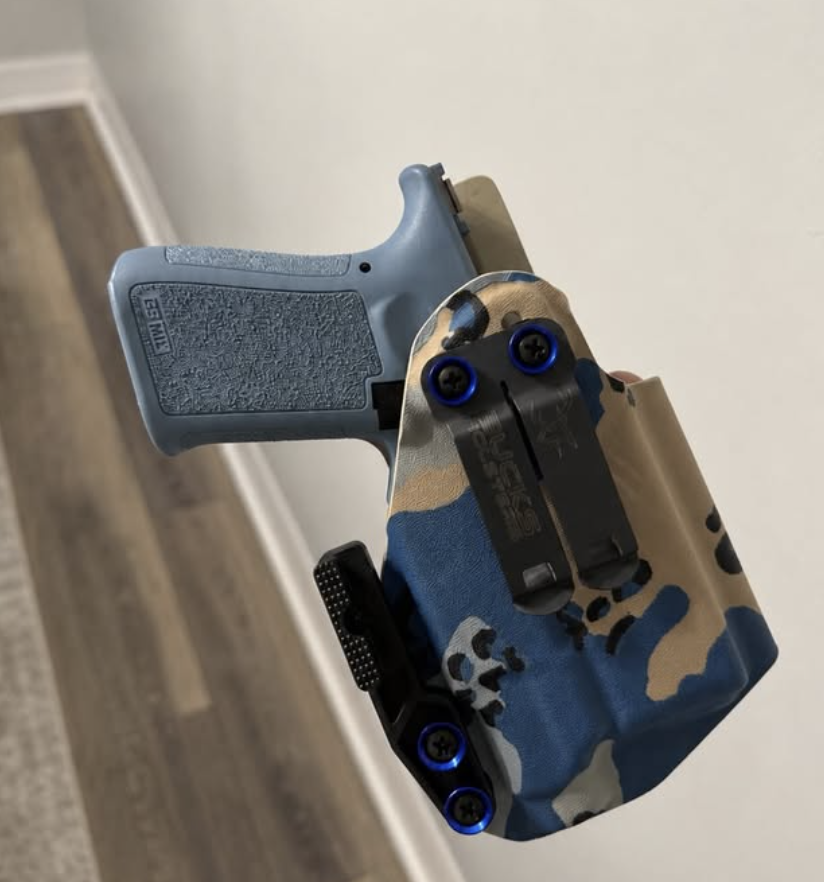
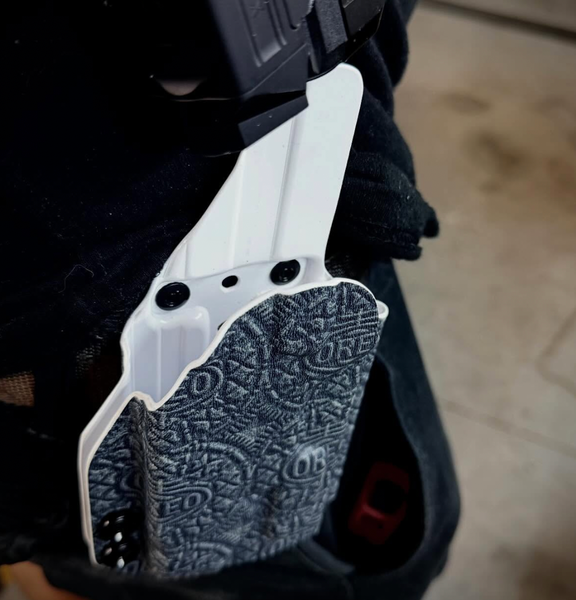
A holster is more than just a carrying device—it’s a safety system that controls firearm retention, accessibility, and positioning. Without regular maintenance, small issues like loose screws or debris buildup can turn into performance problems.
Think about it, you wear different clothes, you move, you carry on different parts of your body, you take your holster on and off; these things contribute to the need for holster maintenance.
Routine holster care helps ensure:
- Safe and consistent firearm retention
- Smooth and predictable draw stroke
- Reduced wear on your firearm’s finish
- Long-term holster durability
- Reliable performance in daily carry situations
1. Check Holster Screws and Hardware Regularly
One of the most important holster maintenance steps is regularly inspecting hardware. Daily movement naturally creates vibration, which can cause screws and fasteners to loosen over time; which can lead to mistakes when carrying or even drawing your firearm.
How to maintain it:
Every 1–2 weeks, inspect all holster hardware, including:
- Retention adjustment screws
- Belt clips and belt attachment hardware
- Wing or concealment claw components
- Spacers and mounting screws
Use the correct driver to ensure everything is snug, but avoid over-tightening, which can damage threads or affect holster fit.
Why it matters:
Loose holster screws can lead to shifting retention, inconsistent draw angles, or unstable carry positioning. Regular hardware checks ensure your Bucks Holster stays secure, stable, and performance-ready.
2. Use Loctite or Thread Locker for Long-Term Security
For anyone using a concealed carry holster daily, thread locker is one of the simplest ways to improve long-term reliability. Products like blue Loctite help prevent screws from loosening due to vibration and movement.
How to maintain it:
When installing or adjusting holster hardware:
- Remove one screw at a time
- Apply a small drop of medium-strength thread locker (blue Loctite recommended)
- Reinstall and tighten securely
- Allow it to fully cure before use
A small amount is enough—overuse can make future adjustments more difficult.
Why it matters:
Thread locker keeps holster hardware secure during everyday carry, reducing the need for constant re-tightening. This helps maintain consistent retention and ensures your holster stays properly tuned over time.
3. Clean the Inside of Your Holster Regularly
Dust, lint, sweat, and debris naturally build up inside a holster, especially with inside-the-waistband (IWB) carry. Over time, this buildup can affect both firearm retention and draw smoothness, and at that point you may contemplate leaving your carry gun at home.
How to maintain it:
Occasionally remove your firearm and clean the interior using:
- A microfiber cloth
- Compressed air to remove lint and dust
- A soft brush for tight areas
Avoid using oils or wet cleaners inside the holster, as they can trap debris or affect retention consistency.
Why it matters:
A clean holster interior ensures a smooth draw stroke and proper firearm seating. It also helps protect your firearm’s finish from unnecessary wear caused by trapped dirt or grit.
4. Check and Adjust Holster Retention Settings
Retention is a critical part of holster safety and performance. Over time, holster tension can shift slightly due to wear, environmental factors, or hardware movement.
How to maintain it:
Regularly test your holster retention by:
- Ensuring your firearm clicks securely into place
- Checking for consistent draw resistance
- Adjusting retention screws if needed
Your holster should hold the firearm firmly while still allowing a smooth, controlled draw.
Why it matters:
Proper retention ensures your firearm stays secure during movement while still being accessible when needed. Regular adjustments help maintain the ideal balance of safety and performance.
5. Inspect Belt Clips and Attachment Points
Your holster is only as strong as its connection to your belt system. Clips, wings, and mounting points experience constant stress during daily use.
How to maintain it:
Inspect all attachment components for:
- Cracks or stress marks in clips
- Loose or shifting hardware
- Wear on concealment wings or claws
- Bent or weakened mounting points
Replace any worn or damaged parts immediately.
Why it matters:
A secure holster attachment ensures proper ride height, stability, and concealment. Damaged hardware can lead to shifting positions or unsafe carry conditions.
Benefits of Regular Holster Maintenance
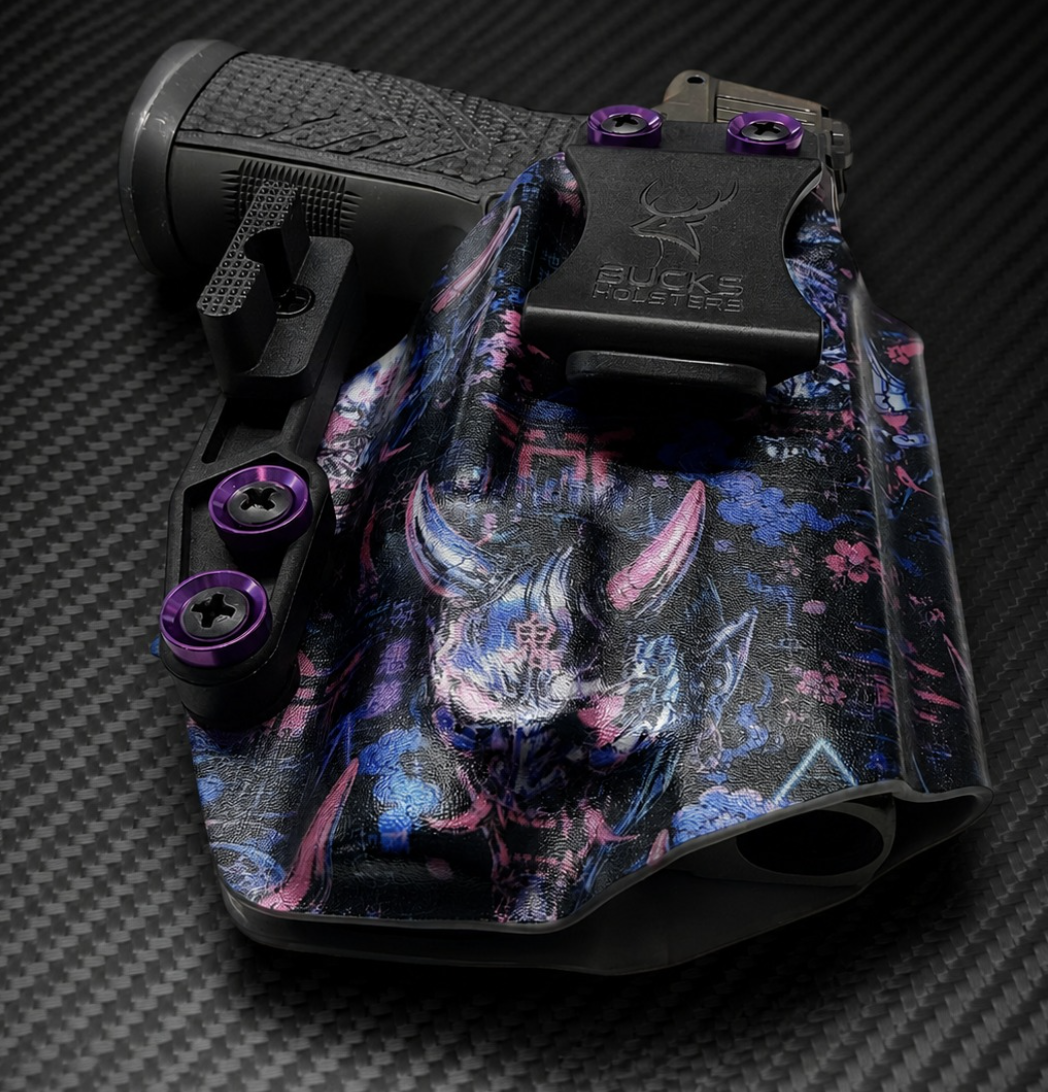
Following a simple holster maintenance routine delivers long-term performance and safety benefits for everyday carry users.
1. Smoother and Faster Draw
A clean, properly adjusted holster allows for a consistent and friction-free draw stroke.
2. Improved Firearm Protection
Reducing dust and debris inside the holster helps prevent scratches and finish wear.
3. Better Concealed Carry Comfort and Stability
Secure hardware and proper fit keep your holster stable throughout daily movement.
4. Longer Holster Lifespan
Routine maintenance reduces wear on components and extends overall holster durability.
5. More Reliable Everyday Performance
A well-maintained holster performs consistently under real-world carry conditions.
Final Thoughts: Simple Holster Care for Better Everyday Carry
Holster maintenance doesn’t need to be complicated or time-consuming. In fact, most of it takes just a few minutes. By checking screws, using thread locker, cleaning debris, and inspecting hardware regularly, you can dramatically improve the performance and reliability of your Bucks Holster.
A properly maintained holster delivers what matters most: safety, consistency, and confidence in your everyday carry setup. Whether you’re carrying for personal defense, duty use, or range training, regular maintenance ensures your holster performs exactly as intended—every time you need it.
Be sure to check us out on Facebook!