
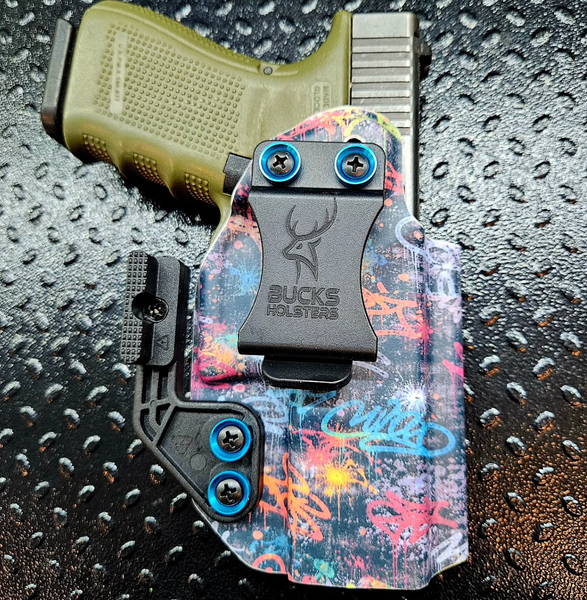
Top Mistakes New Concealed Carriers Make When Choosing a Holster
Mar 3rd 2026
Find the Right Holster for You
Choosing your first concealed carry holster is one of the most important decisions you’ll make as a new gun owner. While most people spend hours researching the perfect firearm, finding the right attachments like lights and optics, many rush the holster purchase — often choosing the cheapest or most convenient option available, thinking it won't really matter.
That’s a mistake.
Your holster directly impacts your safety, comfort, draw speed, retention, and even whether you carry consistently. A poor holster setup can lead to discomfort, printing, unsafe reholstering, and even negligent discharges.
If you’re new to concealed carry, our team at Bucks Holsters has broken down the top mistakes to avoid — and how to choose the right holster the first time.
Common Mistakes Made When Buying a Holster
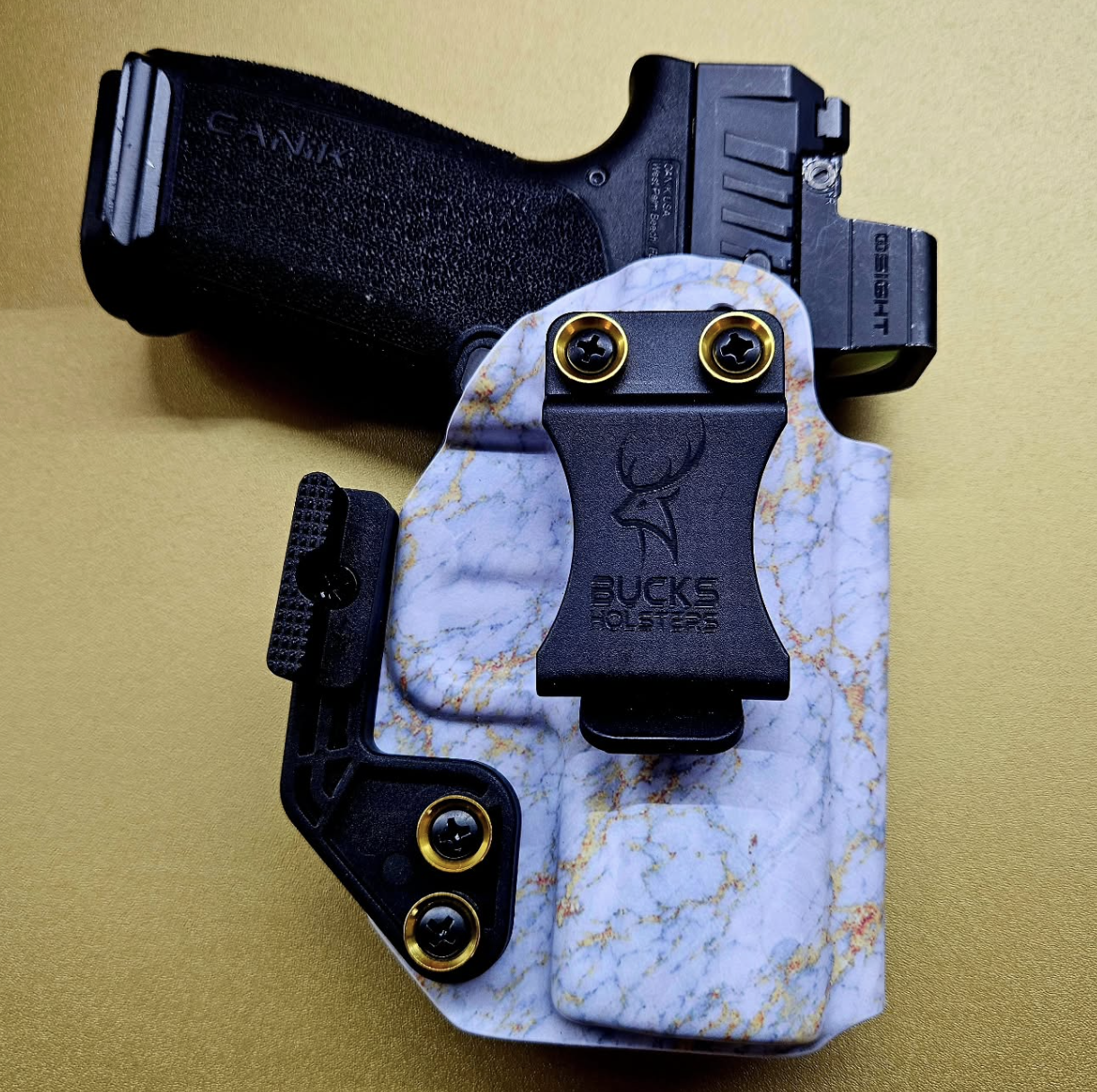
Whether you are carrying a Glock, a Sig, or some other pistol brand, these are the mistakes you want to avoid when purchasing your first concealed carry holster.
1. Choosing Price Over Quality
One of the biggest mistakes new concealed carriers make is buying a budget holster from a big box store or online marketplace without researching the brand.
Cheap holsters often:
- Lack proper retention
- Collapse when the gun is removed
- Shift excessively on the belt
- Wear down quickly
- Use low-quality clips or hardware
A holster is not an accessory — it’s safety equipment. The difference between a $25 generic holster and a purpose-built, high-quality Kydex holster is significant.
When selecting a holster, look for:
- Adjustable retention
- Durable .08” Kydex or equivalent material
- Reinforced hardware
- Proper belt attachment systems
- Optic and light compatibility (if applicable)
Investing in quality upfront saves money — and frustration — long term.
2. Ignoring Retention
Retention is what keeps your firearm securely in place. Too little retention and the firearm may shift or even fall out. Too much retention and your draw becomes slow and inconsistent.
A proper holster should:
- Provide a secure “click” when holstered
- Fully cover the trigger guard
- Hold the firearm securely even when inverted (unloaded test only)
- Allow smooth, consistent draws
Many low-quality holsters rely on friction alone or use soft materials that degrade quickly. Precision-molded Kydex holsters offer consistent retention that doesn’t soften over time.
3. Choosing the Wrong Carry Position Without Testing
New carriers often hear about appendix carry (AIWB) or strong-side carry and immediately commit without testing what works for their body type.
Common carry positions include:
- Appendix (AIWB)
- Strong side (3–4 o’clock)
- Outside the waistband (OWB)
Body type, clothing style, and daily activity all influence what works best. The key is choosing a holster that allows adjustability in ride height and cant so you can fine-tune your setup.
Comfort matters. If it’s uncomfortable, you won’t carry consistently.
4. Not Considering Printing
“Printing” happens when the outline of your firearm is visible through clothing. Many new concealed carriers don’t realize how much holster design impacts concealment.
Holsters designed for concealment often include:
- Claw or wing attachments to push the grip inward
- Slim profiles to reduce bulk
- Proper ride height positioning
- Minimal excess material
A poorly designed holster can cause excessive grip tilt, increasing printing dramatically.
Concealment isn’t just about the gun — it’s about how the holster interfaces with your belt and body.
5. Buying a Holster That Doesn’t Fit Your Exact Firearm Setup
Modern concealed carry pistols frequently include:
- Optics
- Suppressor-height sights
- Threaded barrels
- Weapon lights
Many new carriers buy a holster that fits only the base model — then upgrade their firearm and realize it no longer fits.
Always verify:
- Exact firearm model
- Light compatibility
- Optic cut compatibility
- Barrel length accommodation
A precision-fit holster designed specifically for your firearm setup ensures safety and performance.
6. Overlooking Belt Compatibility
Even the best holster won’t perform well without a proper belt.
A sturdy EDC belt:
- Supports the weight of the firearm
- Prevents sagging
- Keeps the holster stable during movement
- Improves draw consistency
Many first-time carriers use regular fashion belts, which flex excessively and cause shifting throughout the day.
Holster clips should also match your belt width for a secure attachment.
7. Choosing Comfort Over Safety (or Vice Versa)
Some new carriers go ultra-minimal for comfort, sacrificing trigger guard coverage or retention. Others go bulky for security and end up with an uncomfortable rig they never wear.
The ideal holster balances:
- Comfort
- Safety
- Concealment
- Accessibility
You should be able to wear it all day, draw efficiently, and reholster safely without collapsing material.
8. Not Training With the Holster
A holster is only as good as your familiarity with it. Many new carriers purchase a holster but never practice drawing from concealment.
Training should include:
- Dry fire draw practice (with an unloaded firearm)
- Presentation drills
- Reholstering safely and deliberately
- Testing concealment under movement
A quality holster makes training easier and safer.
What to Look for in a High-Quality Concealed Carry Holster
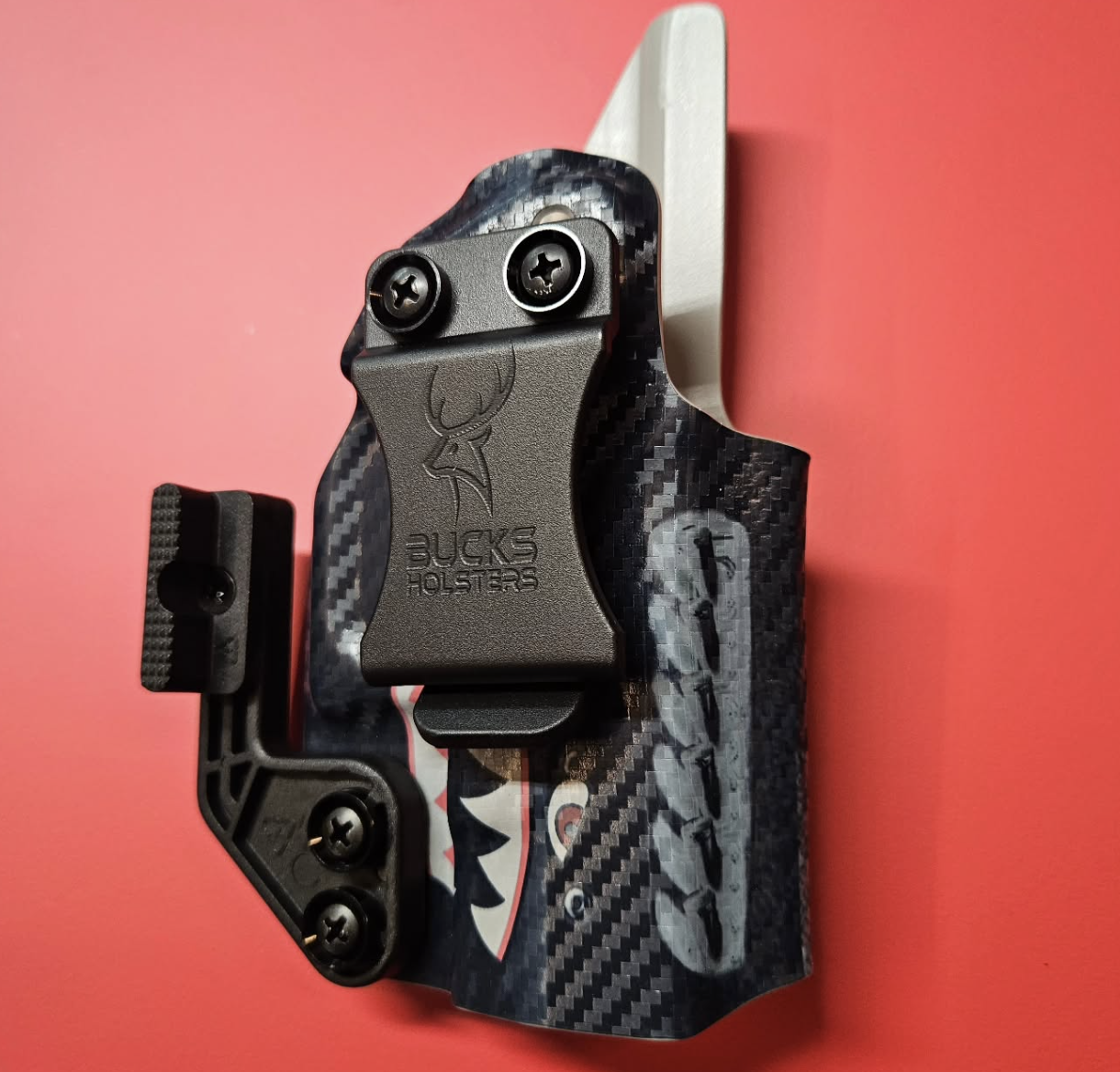
To avoid these mistakes, your holster should have:
- Precision-molded Kydex construction
- Adjustable retention
- Optic-ready design
- Full trigger guard coverage
- Durable metal clips or soft loops
- Concealment features like claws or wings
- Secure belt compatibility
- Clean edges and professional craftsmanship
This is where brand reputation matters.
Why Bucks Holsters Is the Best Place to Buy a Concealed Carry Holster
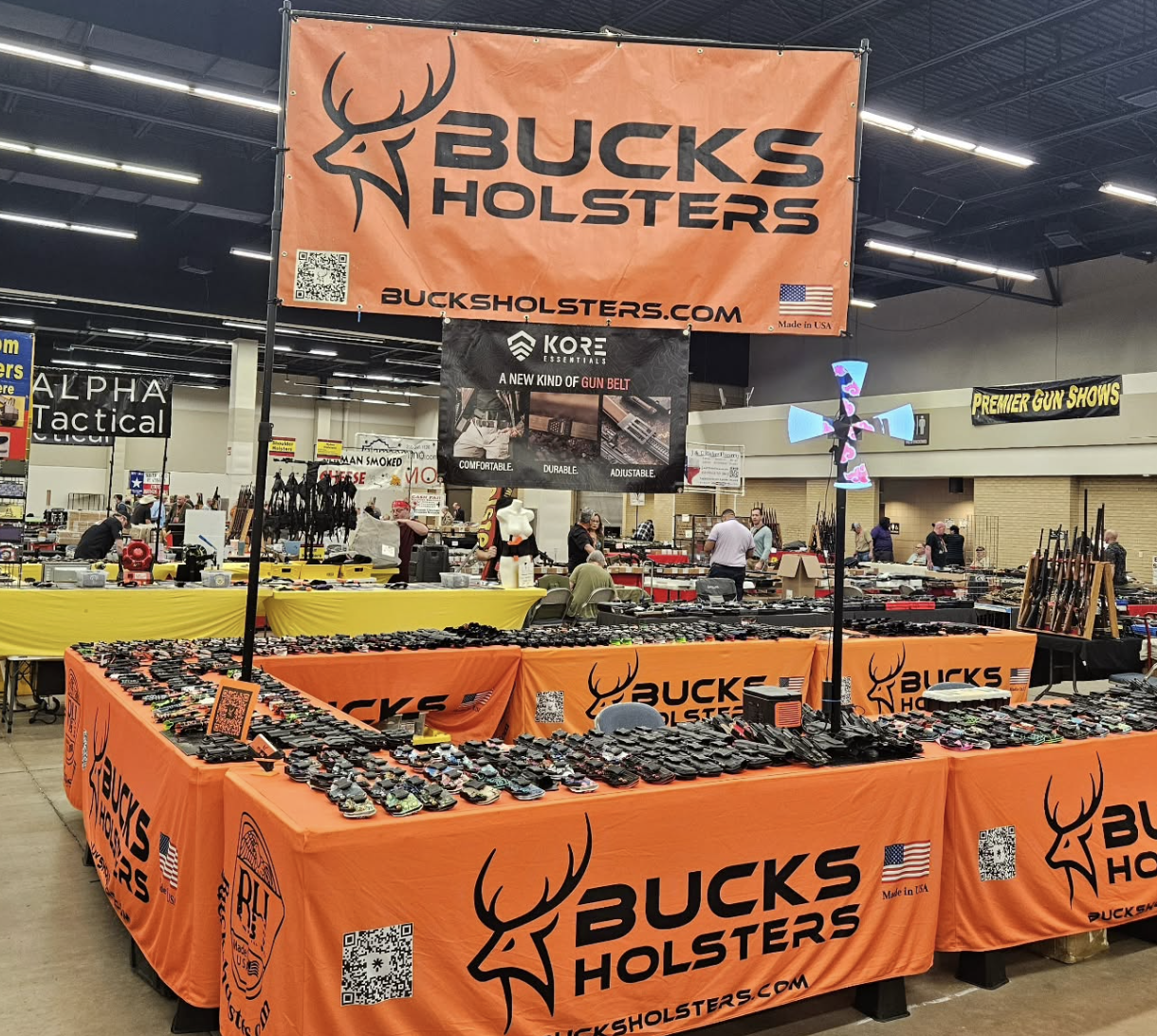
If you want to avoid the common pitfalls new concealed carriers face, Bucks Holsters stands out as a premium solution. We don't just offer your standard, cheaply made holsters like belly bands or holsters that bulge and cause discomfort.
Bucks Holsters focuses on:
Precision Fit
Each holster is molded specifically to the firearm model for a secure, consistent fit.
Reliable Retention
Designed to provide secure hold while maintaining a smooth, consistent draw stroke.
Concealment-Driven Design
Slim profiles and thoughtful construction help minimize printing and maximize comfort for all-day carry, even if you have extra mag carriers.
Optic & Light Compatibility
Built to accommodate modern carry setups — including red dots and weapon lights.
Durable Construction
Made from high-quality Kydex materials with strong hardware built for everyday use.
Comfort for Daily Carry
Designed with real-world concealed carriers in mind — not just for people interested in shooting targets on the range.
Instead of gambling on a generic holster, investing in a purpose-built option from Bucks Holsters ensures your carry setup is safe, comfortable, and effective.
Final Thoughts
Choosing the wrong holster can make concealed carry uncomfortable, unsafe, and frustrating. But choosing the right one improves:
- Confidence
- Comfort
- Concealment
- Safety
- Performance
Avoid the common mistakes:
- Don’t buy based on price alone
- Prioritize retention and trigger coverage
- Ensure compatibility with your setup
- Consider concealment features
- Train consistently
Your holster isn’t just a piece of plastic — it’s a critical part of your defensive system.
If you’re serious about concealed carry and want a holster built for performance and reliability, Bucks Holsters is the best place to start.
Be sure to check us out on Facebook!